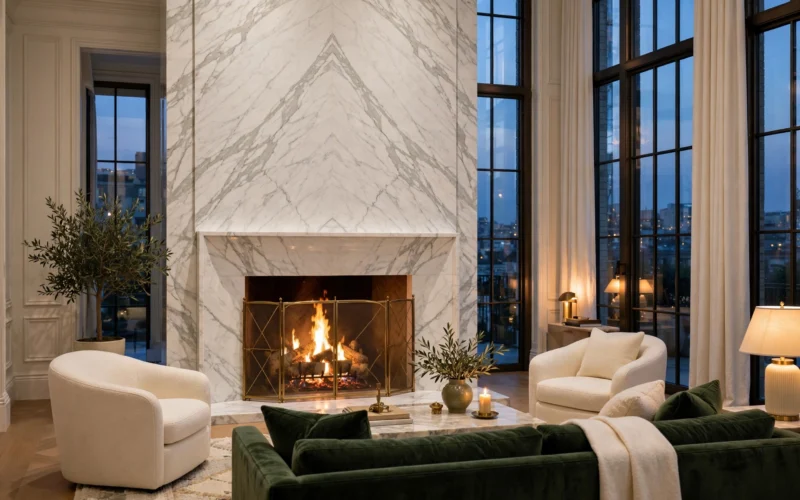
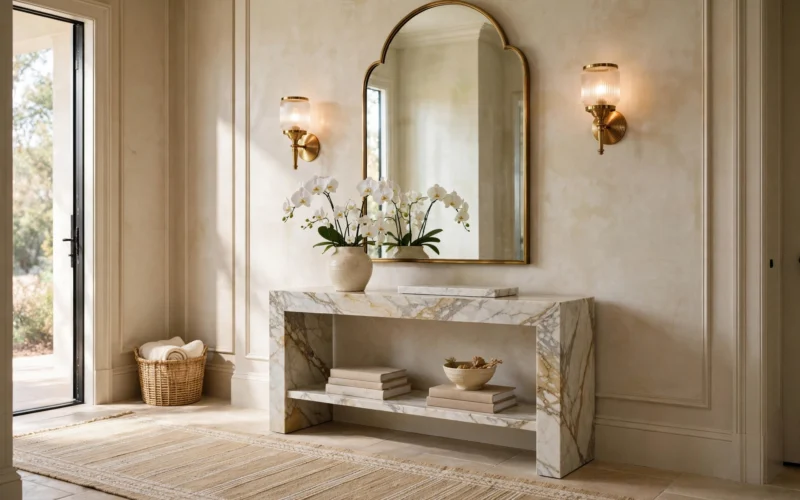
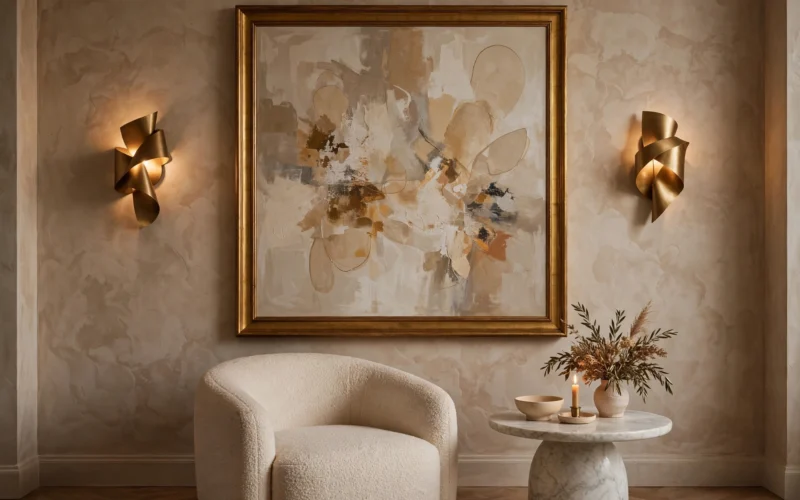
The Art of Creating an Elegant Home
Elegance is an enduring quality that outlasts seasonal trends. Explore the philosophical and practical foundations of cultivating a truly elegant residential environment.
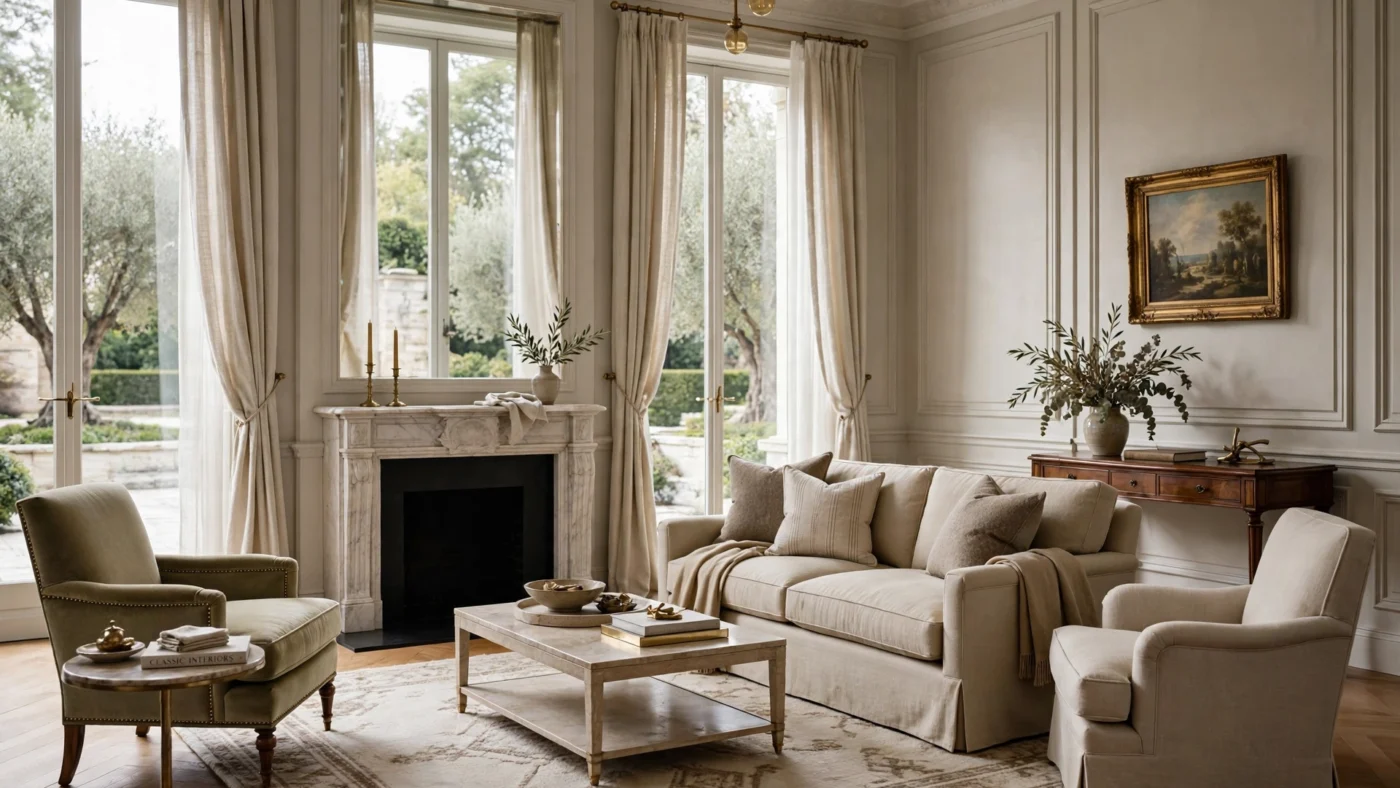
What makes an elegant home truly elegant? It is not the price of the furniture or the size of the rooms — it is a feeling of grace, intention, and ease that runs through every space. This guide explores both the philosophy and the practical decisions behind homes that feel effortlessly refined.
Elegance is frequently admired but rarely dissected. It is not an accident of wealth, nor is it the product of following design formulas. Elegance is a subtle state of grace—an effortless balance between purpose, proportion, materiality, and emotional resonance.
Harmonizing Architecture with Interior Furnishings
An elegant home never fights its architectural envelope. If you reside in a 1920s Georgian residence, respect its classical symmetry, crown moldings, and divided-light windows even if you furnish it with mid-century or contemporary Italian pieces. The friction between historic architecture and modern design can be breathtaking, provided each honors the other’s scale.
The Essential Scent Architecture
Elegance engages every human sense, including olfaction. A world-class home greets visitors with a subtle, signature olfactory profile. Avoid synthetic aerosol air fresheners; instead, employ cold-air essential oil diffusers or luxury beeswax candles scented with notes of cedarwood, vetiver, amber, black tea, and frankincense.
The Principle of Ease
True elegance never feels precious or forbidding. Furnishings must invite relaxation; fabrics should be durable enough to withstand children and hospitality without perpetual anxiety.
Living with Provenance and Stories
What distinguishes a soulful, elegant home from a commercial furniture showroom is personal provenance. Display inherited first-edition books, ceramics collected during travels across Kyoto or Puglia, and artwork acquired directly from living artists. These pieces introduce depth and authentic curiosity into your daily surroundings.
Conclusion
The art of creating an elegant home is an ongoing life practice. As your tastes evolve, refine your sanctuary with patience, discernment, and an unwavering commitment to authenticity.
The Foundations of an Elegant Home
Every elegant home rests on three quiet foundations: proportion, light, and order. Proportion means furniture scaled to the room and to each other. Light means layered, warm, and dimmable in every space. Order means everything has a place — elegance cannot survive clutter. Master these three and the rest is refinement.
This is also where the Danish concept of hygge — coziness as a deliberate way of life — meets classical design. It should embrace you: soft textiles, warm pools of light, and spaces that invite lingering.
Elegant Home Entertaining: Hospitality as Art
An elegant home reveals itself most fully when shared. Set the table with cloth napkins, real candles, and garden flowers rather than the florist’s most formal arrangement. Cook one dish brilliantly instead of five adequately. The art of hosting is making guests feel cherished, not impressed.
Keep a guest room ready — fresh linens, a carafe of water, good reading light, an empty drawer. Hospitality this thoughtful is the signature of an elegant home, and it costs far less than new furniture.
Curating an Elegant Home Over Time
Elegance cannot be installed in a weekend; it accrues. The most soulful elegant home interiors are assembled over years — a painting from a trip, a chair reupholstered twice, books collected one by one. Resist finishing every room at once; a home that grows with you develops the patina no designer can specify.
Set a simple rule: bring in only what you love or need, and release what no longer serves. This slow curation is why the homes we admire most feel personal rather than decorated.
Mistakes That Undermine an Elegant Home
The fastest elegance-killers: harsh overhead lighting, visible clutter and cables, and rooms styled for photographs rather than people. An elegant home is lived in — it should survive a Tuesday, not just a dinner party.
Other traps: chasing every trend (elegance is timeless by definition), matching everything (elegance loves the unexpected pairing), and filling silence with stuff. When in doubt, remove rather than add.
Elegant Home: Frequently Asked Questions
Can a small home be elegant?
Absolutely — elegance loves intimacy. A small elegant home with good light, honest materials, and ruthless editing feels more refined than a sprawling house full of filler.
Is elegant the same as formal?
No. Formal is a dress code; elegant is a quality of ease. The most elegant interiors are comfortable — beautiful rooms where you can put your feet up.
How do I start if my home feels far from elegant?
Begin with light and order: dimmers everywhere, warm bulbs, and a ruthless declutter. These two moves create the calm foundation every elegant home needs.
What is the one thing every elegant home has?
Intention. Every object, color, and placement feels considered. You achieve it not by spending more but by choosing more carefully — and editing without mercy.