How to Create a Luxury Look Without Overdecorating
True luxury is never defined by excess. Explore the deliberate art of restraint, negative space, and sculptural curation that transforms a room from crowded to quietly breathtaking.
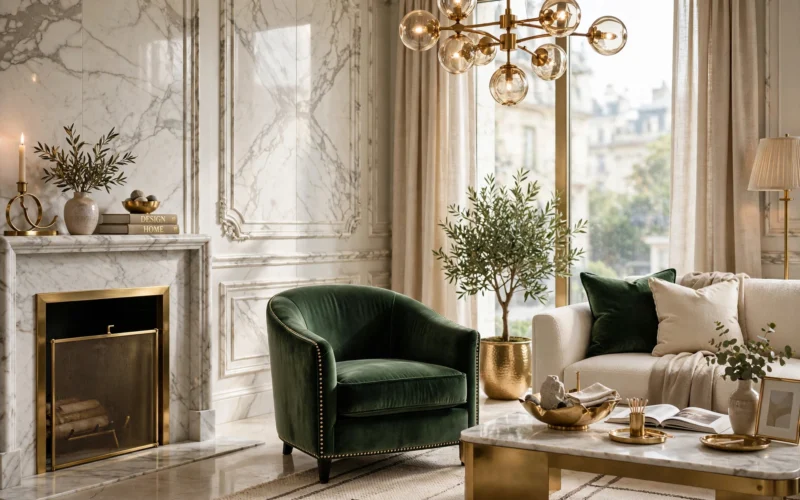
In high-end interior architecture, true distinction is measured not by how much you introduce into a room, but by what you possess the discipline to leave out. The modern luxury aesthetic has decisively migrated away from ornate clutter toward quiet confidence, sculptural balance, and intentional breathing room.
The Power of Intentional Negative Space
When entering an extraordinary home, the immediate sensation is rarely one of visual density; rather, it is an atmosphere of calm, proportion, and effortless weight. Designers refer to this as negative space—the deliberate emptiness surrounding statement furnishings that permits each silhouette to be appreciated in its entirety.
Overdecorating occurs when homeowners mistake vacant surfaces for unfinished design. In a refined living environment, a grand marble plinth requires nothing more than a solitary patinated bronze vessel or an architectural branch. By allowing architectural planes to remain uncluttered, you invite natural daylight to become an active decorative element.
Editorial Principle: The Rule of The Monolith
Select one commanding, impeccably crafted element per visual zone—whether an oversized bespoke travertine coffee table or an artisan plaster pendant—and treat every surrounding object as respectful accompaniment rather than competition.
Curating Texture Instead of Color Multiplicity
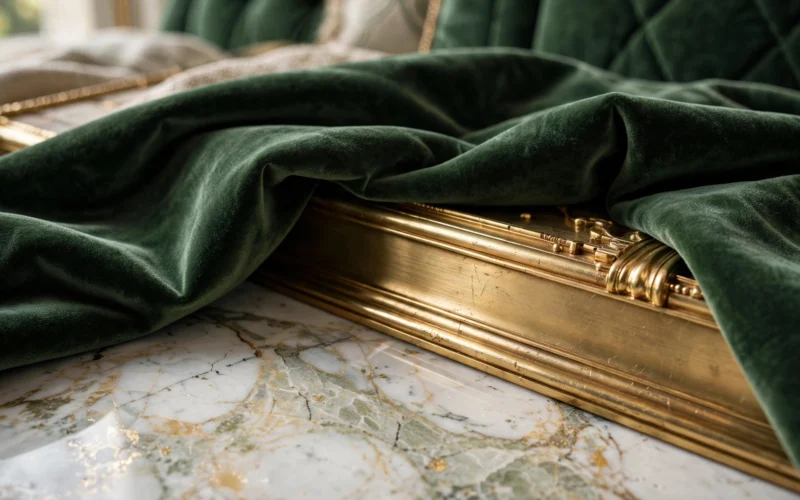
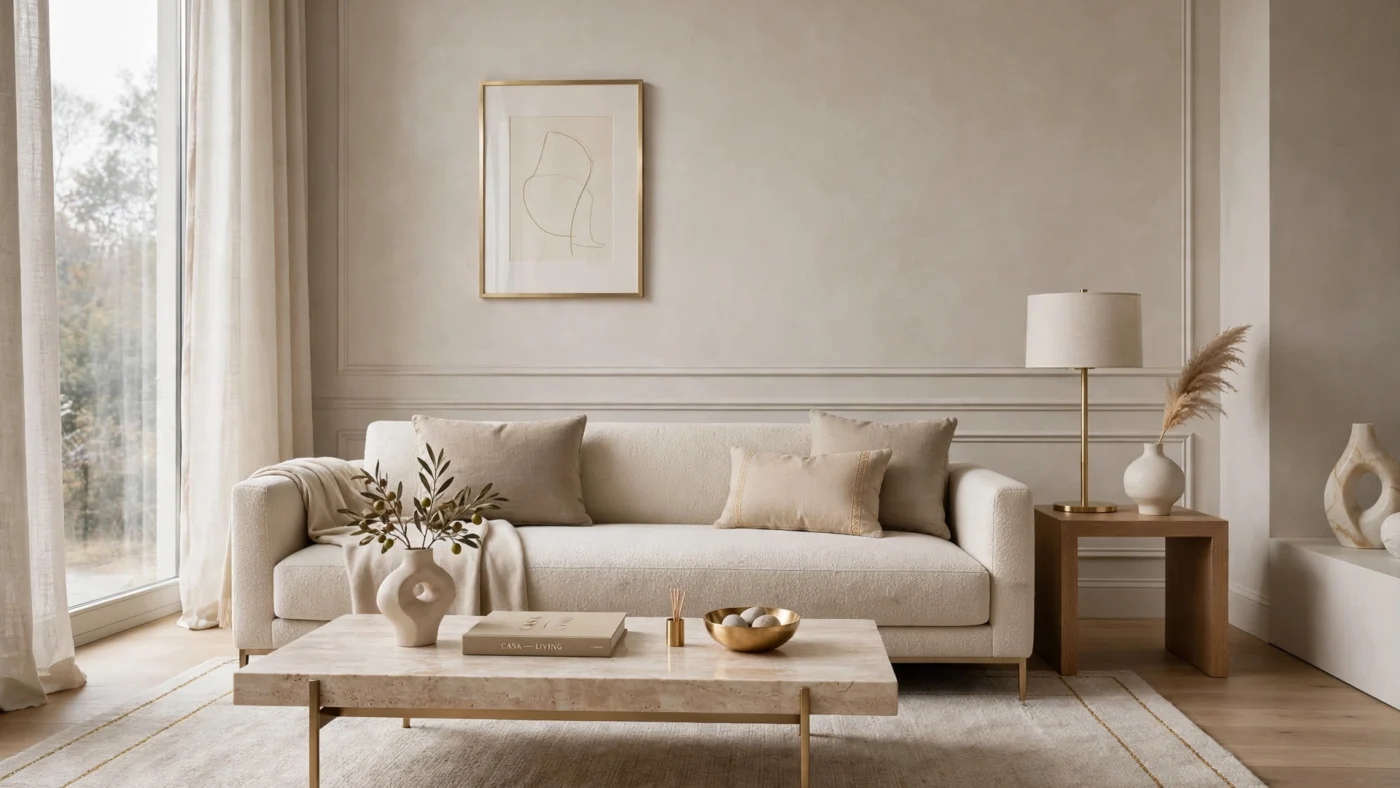
One of the most reliable techniques for achieving an understated luxury ambiance is restricting the chromatic spectrum while elevating tactile depth. Rather than introducing competing accent hues, anchor the space in tonal harmony: warm cream, raw linen, honed limestone, wire-brushed European white oak, and blackened bronze.
When color variation is subtle, the eye naturally seeks tactile richness. A bouclé lounge chair set against hand-applied Roman clay walls, grounded by an un-dyed wool rug, generates profound visual warmth without generating decorative noise. For deeper guidance on tonal palettes, explore our editorial on how to create a sophisticated neutral interior.
Investing in Singular Statement Silhouettes
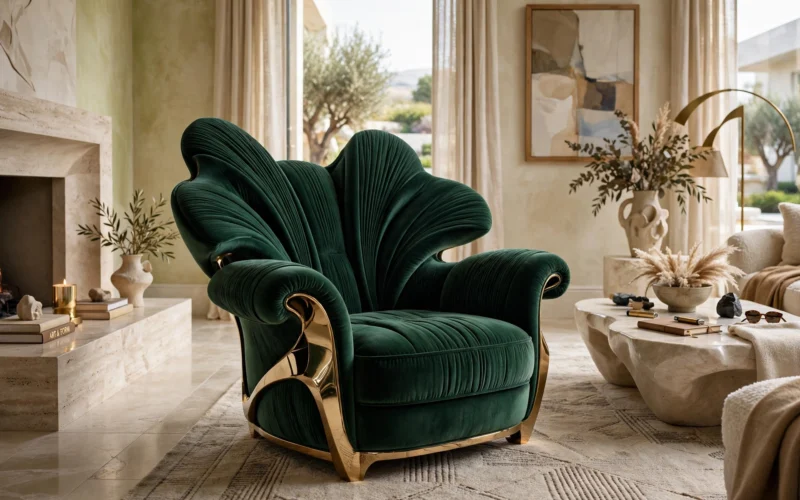
Rather than scattering small accessories throughout a room, direct your curation toward substantial, heirloom-grade furnishings. Consider the difference between five small tabletop trinkets and a single 18th-century antique stoneware urn. The singular object commands presence, tells a coherent provenance story, and preserves architectural serenity.
- Scale Up Accessories: Choose fewer, significantly larger objects with tactile materiality.
- Unify Finishes: Limit metallic accents to one dominant metal (such as unlacquered aged brass) with at most one subdued secondary accent.
- Embrace Organic Geometry: Balance linear architectural millwork with softened, organic contours in seating and sculpture.
Conclusion: The Luxury of Editing
Luxury interior styling is ultimately a continuous act of editing. Before adding another accent to a completed salon, pause and consider what might be removed. When every remaining object possesses exceptional craftsmanship and generous space to breathe, your home immediately exudes the poise of an established private gallery.