The Materials That Instantly Make a Room Feel More Luxurious
From honed Calacatta Viola to tactile bouclé and unlacquered brass, discover the noble raw materials that define the modern luxury interior canon.
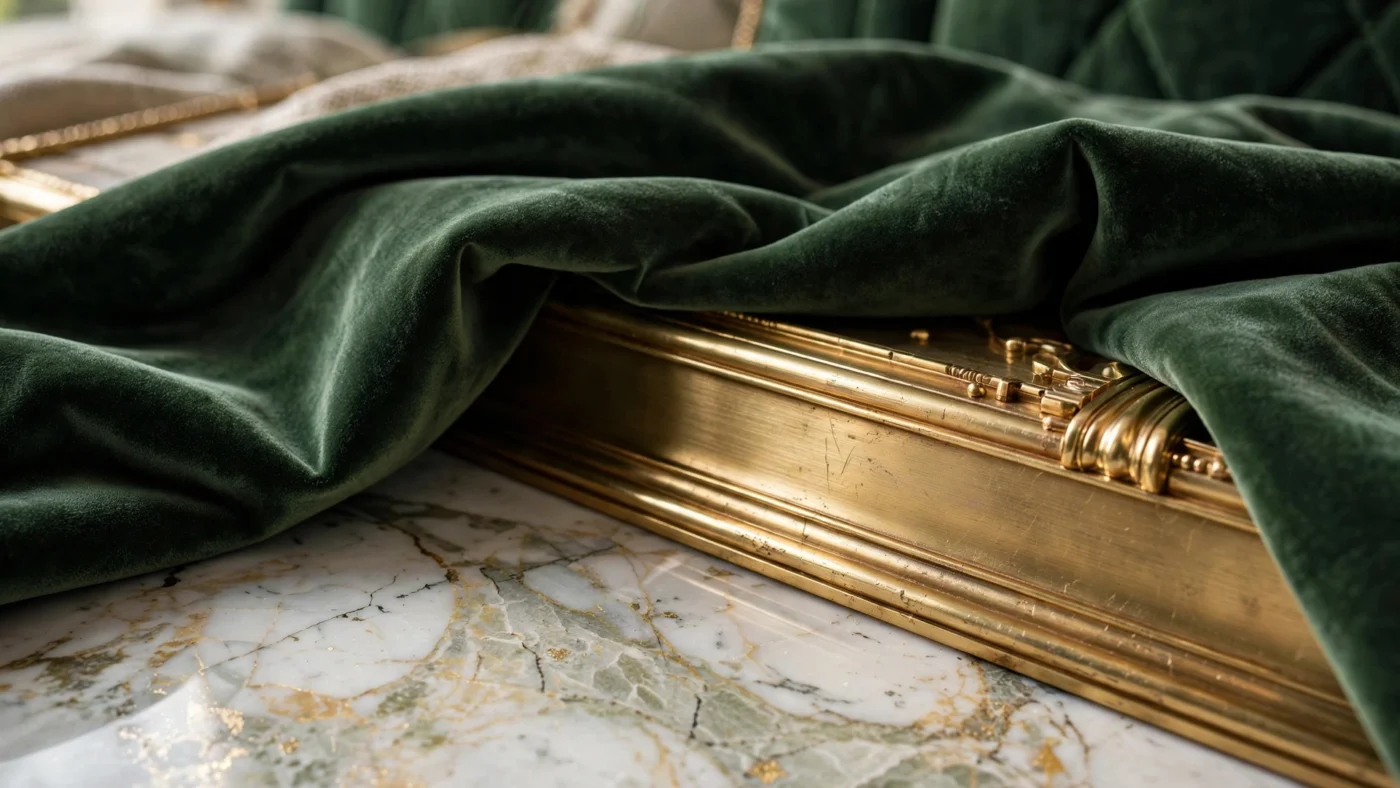
Materials are the vocabulary of interior design. Just as words convey tone and emotion, the surfaces that envelope a room communicate pedigree, warmth, and permanence. Understanding how noble raw materials behave under light and touch is the foundation of high-end home decoration.
Natural Stone with Dramatic Geological Veining
While polished white marble remains a classic staple, modern luxury interiors have pivoted toward honed, expressive natural stones that celebrate geological drama. Stones such as Calacatta Viola with its deep burgundy breccia, French Pierre de Bourgogne limestone, and Brazilian quartzite serve as living sculptural paintings within the home.
Honing rather than high-gloss polishing softens the stone’s tactile surface, creating a matte, velvety texture that diffuses light rather than creating harsh glare. Whether utilized as a floating monolithic vanity, a monolithic waterfall kitchen island, or a full-slab fireplace surround, rich natural stone grounds an interior in undeniable permanence.
Aged and Unlacquered Living Metals
The hallmark of commercial mass manufacturing is shiny, lacquered metal finishes engineered never to change. By contrast, true luxury interior designers insist on living finishes—primarily unlacquered brass, hand-rubbed oil-rubbed bronze, and burnished gunmetal.
As these metals are touched by human hands and exposed to oxygen, they oxidize unevenly, developing a soft, organic patina unique to your household’s daily rhythms. This subtle transformation connects the architecture to time itself, a hallmark of heritage estates.
Design Rule: The Tactile Rule of Three
Ensure every formal room incorporates at least three contrasting natural textures: one cool and geological (stone or metal), one warm and organic (timber or leather), and one soft and absorbing (linen, wool, or silk velvet).
Architectural Timber: White Oak and American Walnut
Timber provides essential soul and warmth. The most sophisticated residential spaces employ rift-sawn or quarter-sawn white oak and rich American black walnut. The tight, linear grain of rift-sawn timber lends an air of bespoke Scandinavian or Japanese minimalism, while continuous grain-matched walnut cabinetry imparts mid-century glamour.
Textiles of Distinction: Cashmere, Wool Bouclé, and Raw Linen
When selecting soft furnishings, avoid synthetic polyester blends. Natural fibers breathe, drape naturally, and age with dignity. Layering a dense Belgian linen sofa with cashmere throws and tactile alpaca wool bouclé cushions creates an irresistible invitation to slow down and savor your environment.
Conclusion
The materials you choose dictate the physical and emotional character of your sanctuary. By anchoring your home in stone, noble woods, living metals, and honest fibers, you create a space of timeless indulgence that deepens in beauty year after year.