How to Choose Statement Furniture for a Luxury Home
Selecting iconic statement furniture requires balancing silhouette, proportion, and provenance. Learn how to curate signature anchor pieces that define your space.
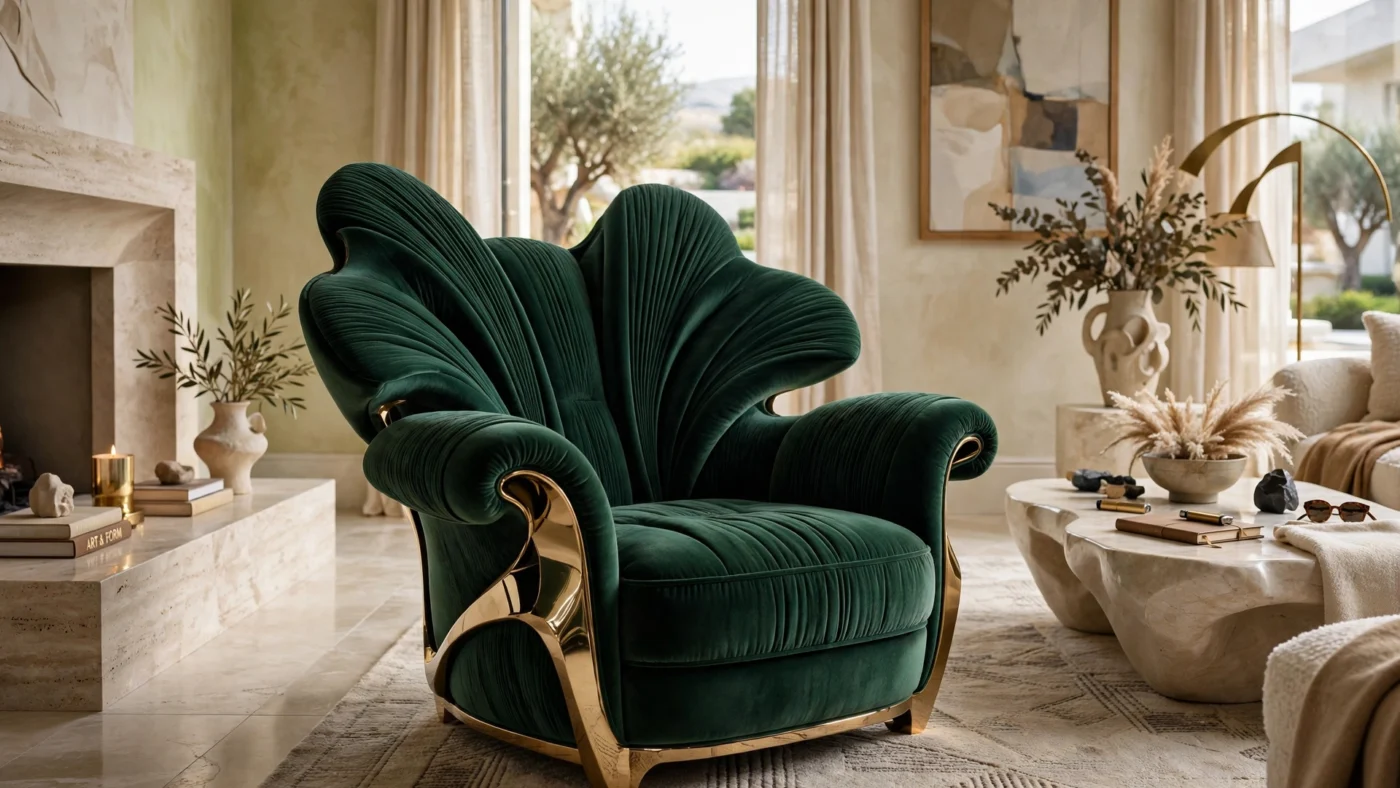
Learning how to choose statement furniture is the fastest route to a home that feels curated rather than merely decorated. One extraordinary piece — a sculptural chair, a monolithic table, a gravity-defying pendant — can carry an entire room, giving everything around it purpose and poise. This guide walks you through the designer playbook for selecting, sizing, and styling heroic pieces with complete confidence.
Statement furniture serves as the protagonist in the narrative of a luxury interior. A truly commanding piece does not shout for attention; rather, its sculptural geometry, impeccable joinery, and exquisite proportions effortlessly draw the eye and anchor the entire room.
Understanding Proportional Weight and Scale
The most frequent error in furniture selection is misjudging volumetric scale. In grand residences with elevated ceilings and expansive floor plans, standard retail furniture often appears adrift and unsubstantial. A statement piece must possess sufficient physical and visual weight to command its surrounding envelope.
Consider an oversized low-profile modular sofa upholstered in ribbed mohair velvet. Its horizontal grounding provides an architectural counterweight to high ceiling beams, establishing an intimate human scale within a cavernous space. Always map full-scale templates on your floors using painter’s tape before commissioning bespoke pieces.
Iconic Provenance vs. Bespoke Artisan Commissions
When curating statement furnishings, designers generally pursue one of two avenues:
- Licensed Design Icons: Timeless masterpieces by legendary architects—such as a Charlotte Perriand Rio cocktail table, a Hans Wegner Papa Bear chair, or a Mies van der Rohe daybed—confer immediate historical gravitas and retain strong secondary auction value.
- One-of-a-Kind Artisan Commissions: Commissioning a contemporary ceramic artist or master woodworker to craft a solid burl wood dining table creates an irreplaceable heirloom found nowhere else on earth.
Curation Tip: The Anchor and The Chorus
A room should possess only one definitive anchor furniture piece. If your dining table is a sculptural slab of green Alpi marble, choose quiet, low-back upholstered chairs that celebrate the tabletop rather than competing with its contours.
Materiality as Visual Art
Statement furniture frequently blurs the boundary between functional utility and fine sculpture. Look for pieces featuring artisanal metal castings, hand-gouged solid hardwoods, parchment wrapping, or chiseled volcanic basalt. These rich tactile details reveal themselves upon closer inspection, rewarding the observer with unexpected delight.
Conclusion
Investing in statement furniture is an investment in your daily quality of life. Seek out silhouettes that resonate with your personal aesthetic philosophy, honor artisanal craftsmanship, and possess the durability to pass to future generations.
Where Statement Furniture Works Hardest
Not every room needs a hero, but certain spaces reward boldness disproportionately. The entryway is prime territory: a sculptural console or dramatic bench sets the tone before guests take three steps inside. In the living room, the hero usually anchors the main seating arrangement — an extraordinary coffee table or a pair of iconic lounge chairs. Dining rooms revolve around the table itself, making them the easiest place to make one big, confident move.
Bedrooms benefit from restraint: a single upholstered headboard wall or a sculptural bench at the foot of the bed is plenty. Wherever you place it, give your statement furniture room to breathe — crowding a hero piece against walls and clutter suffocates the very presence you paid for.
Statement Furniture on a Realistic Budget
Heroic pieces need not carry heroic price tags. Vintage markets are full of design icons at fractions of retail — study the work of Charlotte Perriand and her contemporaries so you can spot quality joinery and honest materials at a flea market. Reupholstering a well-made vintage frame in a luxurious textile often costs less than buying new, and the result is one of a kind.
Budget with the one-hero rule: allocate the lion’s share of a room’s funds to the single statement piece, then keep everything else quiet and affordable. One sculptural chair beside a simple linen sofa looks intentional; three mediocre feature pieces look indecisive. Spend where the eye lands first.
Styling Around Your Hero Piece
Once the anchor is chosen, build the supporting cast to celebrate it. Keep surrounding upholstery simple in silhouette and calm in color so the hero keeps the spotlight. Repeat one material or finish from the statement piece elsewhere in the room — the bronze in a chair’s base echoed in a floor lamp, for instance — to make the composition feel inevitable rather than accidental.
Light your statement furniture like the art it is. A directional spot, or simply positioning the piece where daylight rakes across its surfaces, reveals the craftsmanship you invested in. And resist decorating the hero itself: a sculptural table needs no runner, and an iconic chair needs no throw pillow competing with its lines.
Mistakes to Avoid When Buying Statement Furniture
The classic error is casting two leads: a dramatic sofa plus a dramatic coffee table plus a dramatic chandelier creates visual noise, not luxury. Commit to a single protagonist per space and let everything else play a supporting role — this discipline separates designed rooms from furniture showrooms.
Other pitfalls: falling for a piece in a vast showroom and discovering it overwhelms your living room (always tape the footprint at home first), sacrificing comfort for sculpture in anything you sit on, and chasing this season’s viral silhouette. True statement furniture should still thrill you in ten years; if you can picture it dated, keep walking.
Statement Furniture: Frequently Asked Questions
How many statement pieces can one room handle?
One. A room with a single hero and a calm supporting cast always looks more expensive than a room with several pieces competing for attention. If you own multiple dramatic pieces, distribute them across rooms.
Should statement furniture match the room’s style?
It should converse with it, not match it. A brutalist concrete stool can electrify a soft traditional interior precisely because of the contrast. What matters is a shared thread — scale, material, or color temperature — that keeps the dialogue civil.
Is vintage a safe way to buy statement furniture?
Yes, provided you inspect construction: solid joinery, stable frames, and honest materials. Reupholstery and refinishing can transform a tired icon, but a wobbly frame is rarely worth the restoration cost. Buy the best bones you can afford.
What is the easiest first statement piece for a beginner?
A sculptural accent chair. It is relatively affordable, movable between rooms, and instantly elevates whatever sits beside it. Choose one with a silhouette you love from every angle — you will see its back as often as its front.