Stylish Technology That Belongs in a Luxury Home
A visual and tactile showcase of gadgets crafted from marble, aluminum, leather, and wood that elevate interior aesthetics.
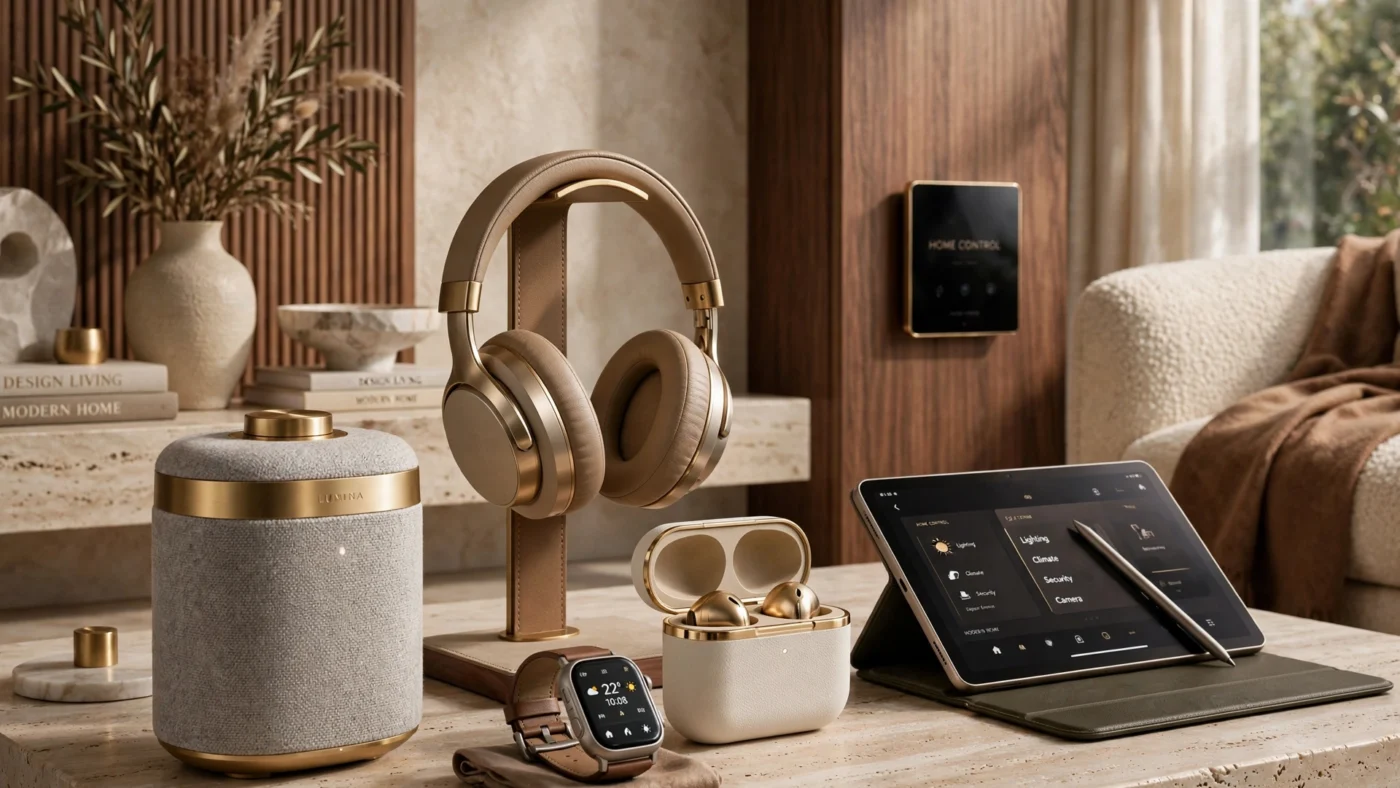
For decades, home technology was an eyesore that had to be cleverly disguised. Today, an elite tier of industrial designers is creating gadgets that deserve to be proudly exhibited alongside fine art and collector ceramics. This is stylish technology at its finest — engineering that earns its place in the room.
Transparent Acoustic Masterpieces: Transparent Speaker
Swedish design studio Transparent crafts home audio equipment using tempered glass panels, recycled solid aluminum frames, and modular electronic components. These ethereal, see-through speakers blend seamlessly into any room, displaying the beauty of physical acoustic vibration while complementing minimalist interiors.
Sculptural Desk Fans and Air Circulators: Stadler Form Otto
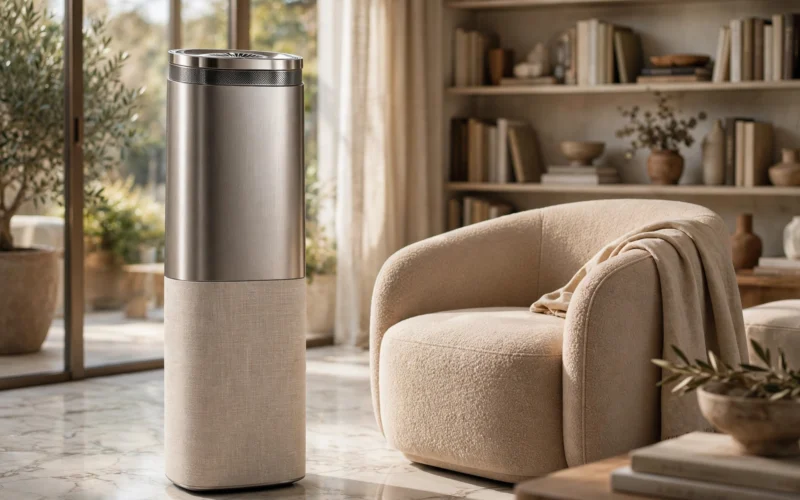
Escape utilitarian plastic box fans with pieces like the Otto fan, crafted with an African sapele bamboo or oiled beechwood bentwood outer ring. Its gentle aerodynamic breeze and architectural presence make it an attractive sculpture on any hardwood floor.
Material Integrity in Consumer Tech
Look for electronics featuring genuine metals, sustainable hardwoods, and glass. High-grade materials not only look magnificent but also provide superior vibration dampening and thermal dissipation.
Retro-Futuristic Radio and Streamers: Tivoli & Ruark Audio
Combining heritage mid-century wood veneers with modern OLED screens, DAB+ digital tuners, and lossless streaming protocols, these tabletop systems serve as beautiful accent pieces for library shelves and bedside tables.
How to Choose Stylish Technology for Your Home
When choosing stylish technology, start with your interior’s material palette. If your home features warm woods and brass, seek devices in complementary finishes; if it is a minimalist concrete-and-glass space, favor anodized aluminum and matte black. Consider scale carefully — a statement speaker should anchor a room, while a bedside streamer should whisper. Verify that beauty does not compromise function: read independent measurements for audio gear, check display specifications, and confirm that smart features actually work reliably. The best pieces delight both the eye and the ear.
Buy from makers with genuine design heritage. Brands like Transparent, Stadler Form, and Ruark employ industrial designers alongside engineers, and the difference shows in proportions, materials, and small details. Check that components are replaceable and finishes are durable — it should age gracefully, developing a rich patina rather than looking dated within a few years.
Common Mistakes When Buying Designer Tech
The classic mistake is choosing form over function. A gorgeous speaker that sounds mediocre will disappoint you daily, while a beautiful interface that frustrates will be abandoned. Always audition audio equipment in person and test every interface before committing. Another frequent error is mismatching styles; a retro-styled radio can clash in an ultra-modern loft unless it is deployed as a deliberate accent. It should harmonize with your interior, not fight against it.
Avoid buying for photographs rather than for living. That sculptural fan looks stunning in a magazine spread, but it must also move air quietly in your bedroom night after night. Prioritize the pieces you will interact with daily — the objects you touch, hear, and see constantly deserve the design investment far more than occasional-use novelties.
Materials That Define Beautiful Tech
Certain materials signal quality instantly. Solid aluminum — anodized or bead-blasted — feels substantial in the hand and dissipates heat effectively. Genuine wood such as walnut, oak, or bamboo adds warmth and ages beautifully with use. Tempered glass creates visual lightness and reveals inner craftsmanship. Leather and woven textiles soften technology’s hard edges and invite touch.
When evaluating devices, trust your hands as much as your eyes. Weight, texture, and the precision of seams and finishes reveal manufacturing quality that photographs cannot convey. Knock gently on enclosures — a dull, solid thud suggests quality damping, while a hollow rattle warns of thin construction.
Finally, consider how materials interact with light. Brushed metals catch highlights beautifully under directional lighting, while matte finishes minimize distracting reflections in bright rooms. Glass showcases internal engineering but demands frequent dusting to stay pristine. Choose materials that complement your lighting design, not just your furniture.
Frequently Asked Questions About Stylish Technology
Does stylish technology perform as well as standard tech?
The best examples match or even exceed mainstream performance — makers like Transparent and Ruark engineer their products seriously. That said, always verify with independent measurements, since some design-led products do prioritize appearance. The sweet spot, and the only kind worth buying, is where both form and function excel.
How do I mix stylish technology with my existing decor?
Match materials and tones to your interior. Wood-veneer audio complements traditional and transitional rooms, while glass and aluminum suit modern and minimalist spaces. Deploy them as considered accent pieces — one statement speaker, one beautiful radio — rather than filling every available surface.
Is it more expensive?
Typically thirty to fifty percent more than mass-market equivalents, reflecting genuine investments in materials and design. However, these pieces also tend to last longer and retain resale value better, which makes their lifetime cost surprisingly reasonable.
How do I keep designer tech looking new?
Dust regularly with a dry microfiber cloth, condition wood and leather finishes occasionally, and avoid harsh chemical cleaners on specialized coatings. Keep firmware updated so features improve over time. Well-maintained pieces age like fine furniture — gracefully and with character.
To explore the discipline behind beautiful objects, see product design on Wikipedia.
Conclusion
When engineering is executed with artistic passion, technology becomes an asset to interior decor rather than a compromise.