Elements That Make a Home Feel Professionally Designed
Examine the subtle nuances—from ceiling details to custom upholstery weights—that separate amateur decorating from professional interior design.
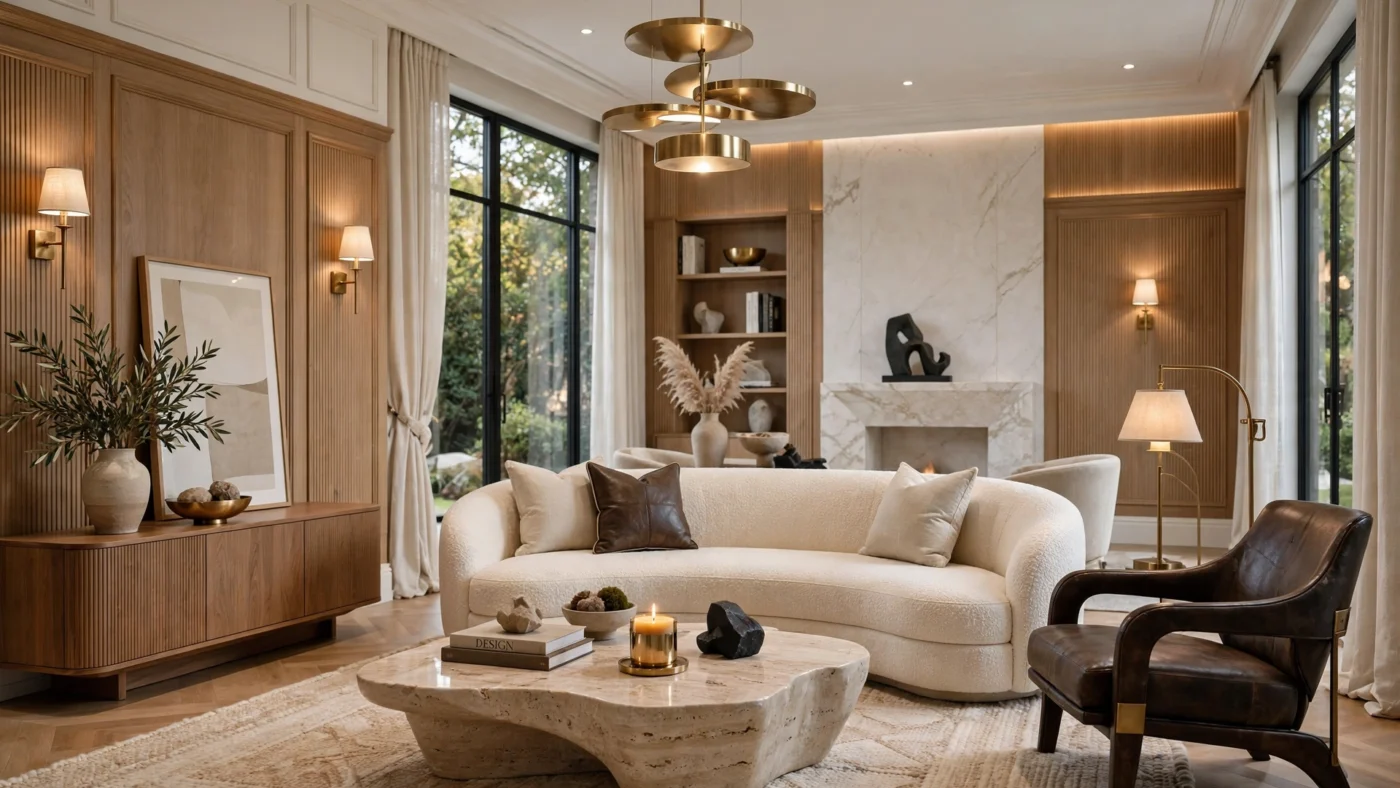
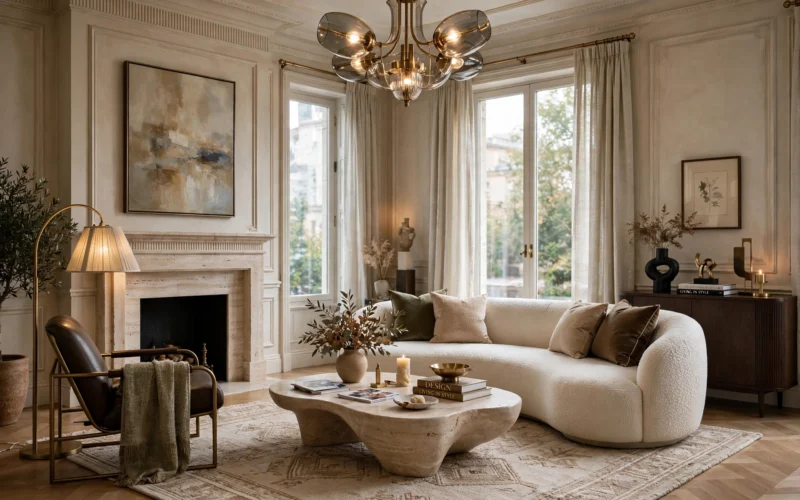
We have all stepped into residences that immediately feel polished, balanced, and complete, even if we cannot immediately identify why. That distinctive quality is the hallmark of professional interior design. Here are the telltale elements that distinguish a professionally curated home.
Disciplined Scale and Varying Elevations
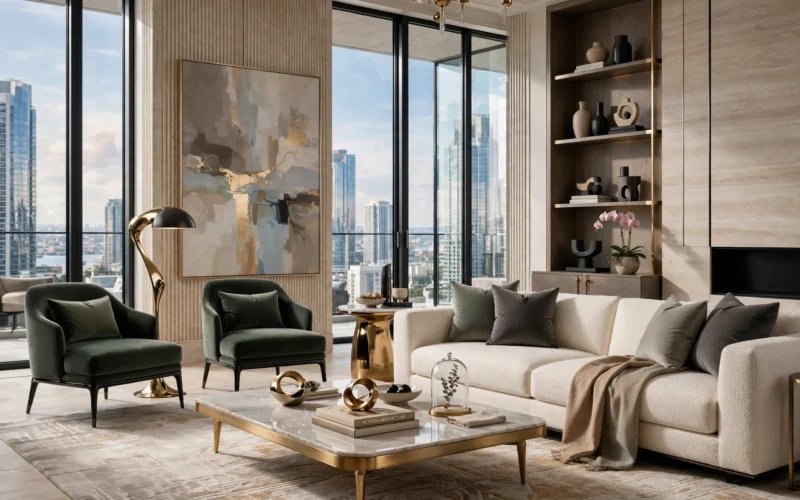
Amateurs often furnish rooms where everything rests at the exact same horizontal height. Professional designers deliberately orchestrate a rhythmic skyline: a tall floor-to-ceiling armoire balanced by a low daybed, a towering arched floor lamp, and mid-height artwork. This vertical diversity draws the eye dynamically across the room.
Full-Scale Bespoke Window Architecture
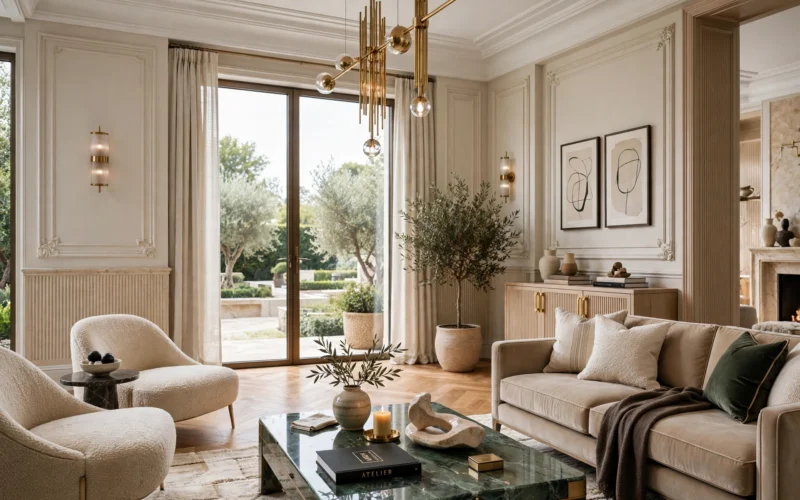
Professionals never buy off-the-rack curtains. They install custom motorized ripple-fold draperies hung directly from ceiling pockets, completely concealing the curtain rod hardware. The fabric drops to kiss the floor with millimeter precision, imparting tailored grandeur.
The Hidden Secret: Layered Rug Padding
Underneath every fine wool rug, professional designers specify 1/2-inch dense felt and rubber acoustic pads. The luxurious foot-feel underfoot immediately communicates quality to anyone who walks across the room.
Concealed Outlets and Integrated Cable Routing
In a professionally designed home, you will never see a lamp cord dangling along a baseboard. Outlets are recessed into baseboards, paint-matched, or hidden inside floor receptacles underneath furniture.
Conclusion
Professional design is defined by an obsessive attention to the invisible details. When scale, drapery, and electrical integration are executed with precision, your interior achieves effortless harmony.