How to Design a Sophisticated Home
A masterclass in spatial planning, architectural proportion, and timeless aesthetics for cultivating an impeccably sophisticated residence.
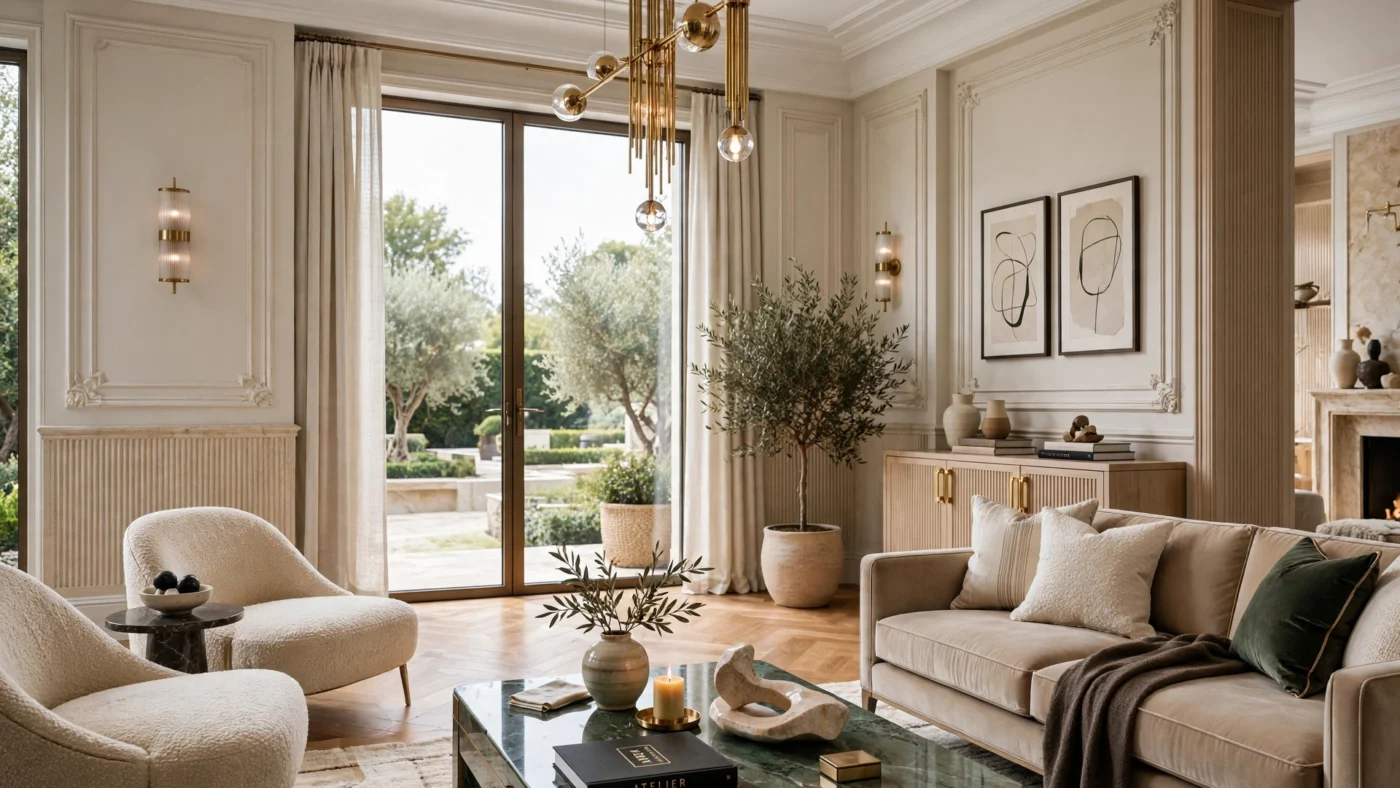
True sophistication in residential design is an exercise in restraint, intellect, and grace. It resists fleeting trends in favor of timeless proportions, exquisite materials, and an intuitive lifestyle flow.
What exactly defines a sophisticated home? It is not a price tag or a particular decorating style, but a set of disciplined choices — proportion, material honesty, and quiet restraint — applied consistently from the entryway to the bedroom. This guide breaks those choices into practical principles for creating a sophisticated home at almost any budget.
The Principle of Spatial Compression and Release
Renowned architects like Frank Lloyd Wright masterfully employed spatial compression and release: designing an entryway with slightly lower ceilings and intimate lighting, which then opens dramatically into a soaring, light-filled living salon. This volumetric contrast heightens emotional wonder and makes spaces feel expansive.
Investing in the Bones First
Before purchasing expensive decorative items, invest in the core architectural envelope: replace hollow doors with solid core oak, install flush plaster baseboards, upgrade window casings, and specify museum-grade architectural lighting. An impeccably built shell makes even simple furnishings look magnificent.
The Art of Understatement
Never place every prize possession on display simultaneously. Rotate art and ceramics seasonally to allow individual pieces to be savored afresh.
Curating an Authentic Library
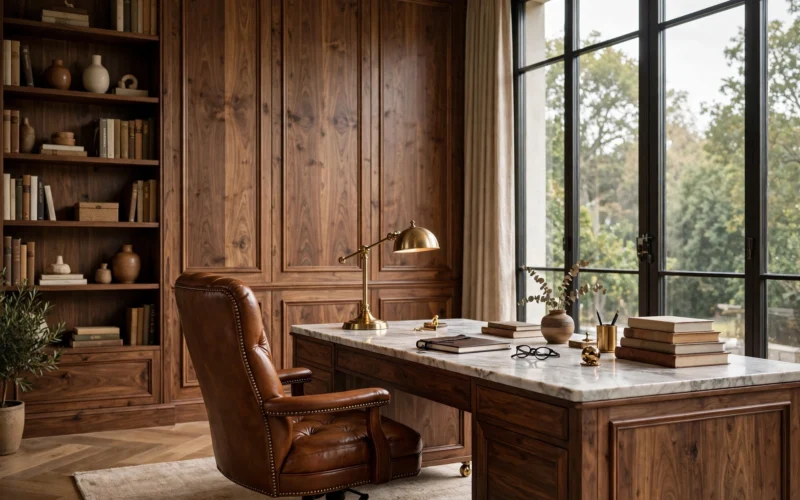
A home without books lacks soul. Floor-to-ceiling custom millwork lined with collected volumes on history, philosophy, art, and literature adds instant intellectual gravitas, acoustic absorption, and visual warmth to any study or living room.
The Refined Color Palette of a Sophisticated Home
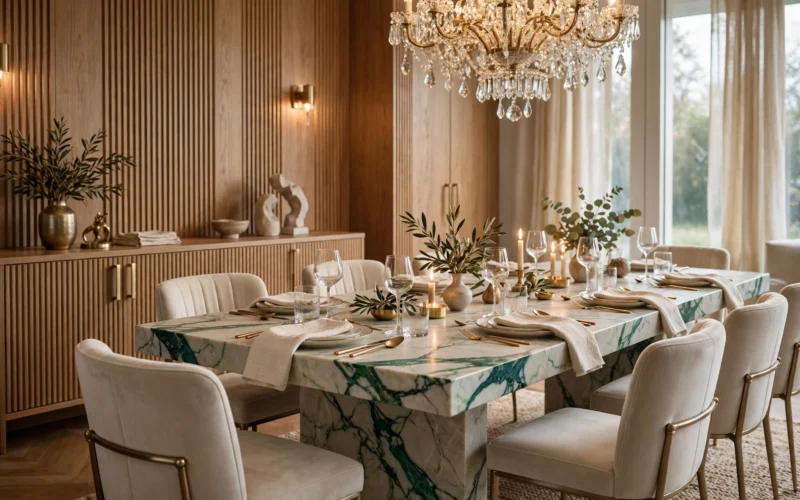
A sophisticated home speaks in whispers, not shouts. Build your palette on layered neutrals — warm ivory, greige, stone, and ink — then introduce one or two saturated accents with discipline. In a sophisticated home, color functions as punctuation: an oxblood leather chair, a deep teal velvet cushion echoed in a piece of art, bronze hardware catching the evening light. Restraint is what makes each accent feel precious rather than random.
Test large swatches in place before committing. Paint two coats on a movable board and observe it at morning, noon, and lamplight — undertones shift dramatically. A sophisticated home never relies on a single paint chip viewed under showroom fluorescents.
Proportion and Symmetry: The Quiet Grammar
Rooms feel sophisticated when their proportions are considered. Align curtain rods, hang art so its center sits at eye level (around 57 inches), and give furniture room to breathe — crowding is the enemy of elegance. Symmetry is a powerful shortcut: a pair of matching lamps, two armchairs flanking a fireplace, or twin nightstands instantly impose order, which the eye reads as refinement.
That said, perfect symmetry can feel stiff. Professionals often use “balanced asymmetry” — a tall plant offset by a low stack of books — to keep a room feeling alive while remaining composed.
When arranging surfaces, think in triangles: vary the height of objects so the eye travels in a pleasing rhythm. This simple compositional trick is used in galleries and showrooms alike, and it instantly makes shelves, mantels, and consoles look considered rather than accidental.
Lighting a Sophisticated Home After Dark
Daylight flatters everything, but a sophisticated home is judged after dark. Replace the single overhead fixture with layers: ambient light from recessed fixtures or a chandelier on a dimmer, task light for reading and cooking, and accent light that grazes texture or highlights art. Keep every bulb at a warm 2700K so the whole house glows consistently.
Put as much as possible on dimmers. The ability to lower light levels transforms a room from functional to atmospheric in seconds, and it is one of the most cost-effective upgrades behind a sophisticated home’s evening magic. For the broader design tradition these ideas come from, see the overview of interior design on Wikipedia.
Common Mistakes That Cheapen a Sophisticated Home
- Chasing trends. A sophisticated home outlives fads by a decade or more. Invest in classic silhouettes and let trends appear only in easily replaced accents.
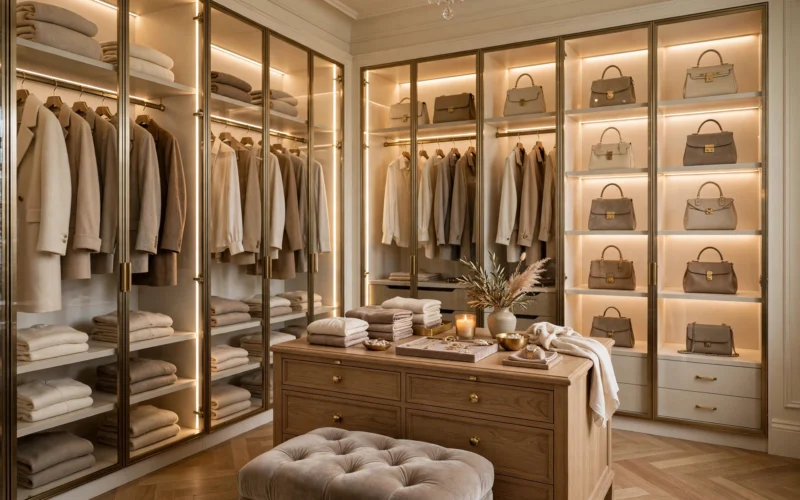
- Visible clutter. Sophistication requires editing. Give every object a home behind closed storage and keep surfaces at least one-third clear.
- Skimpy curtains. Panels should be hung high and wide, with enough fabric to look generous when drawn. Cheap-looking window treatments undermine the whole room.
- Matching everything. A room where every wood tone matches feels like a showroom. A sophisticated home mixes finishes with intention — oak with walnut, brass with blackened steel.
- Harsh overhead lighting. Bare downlights create unflattering shadows. Diffuse, layered light is what makes people — and rooms — look their best.
Frequently Asked Questions
Can a small apartment be a sophisticated home?
Absolutely. Sophistication is about discipline, not square footage. In a compact space, a restrained palette, consistent materials, and well-scaled furniture make a small apartment feel like a sophisticated home rather than a cramped one.
What is the fastest way to add sophistication?
Upgrade lighting first: add dimmers, introduce lamps at multiple heights, and switch to warm bulbs. Then address window treatments. These two changes transform a room’s atmosphere more than any single furniture purchase.
How do I mix styles without creating chaos?
Anchor the room with one dominant style and a consistent color palette, then introduce contrasting pieces that share a material or tone with the anchor. The shared thread — say, warm wood or aged brass — keeps the mix coherent.
Is minimalism required?
No. A sophisticated home can be richly layered; it simply must be intentional. Maximalist rooms succeed when every object earns its place through color, texture, or meaning — and when the overall composition still breathes.
Conclusion
Sophistication is not purchased off a showroom floor; it is cultivated through thoughtful architectural decisions and an enduring commitment to quality.