Luxury Bedroom Design Ideas for Modern Homes
Design an intimate master sanctuary featuring boutique hotel walk-in dressing suites, architectural headboards, and calming natural palettes.
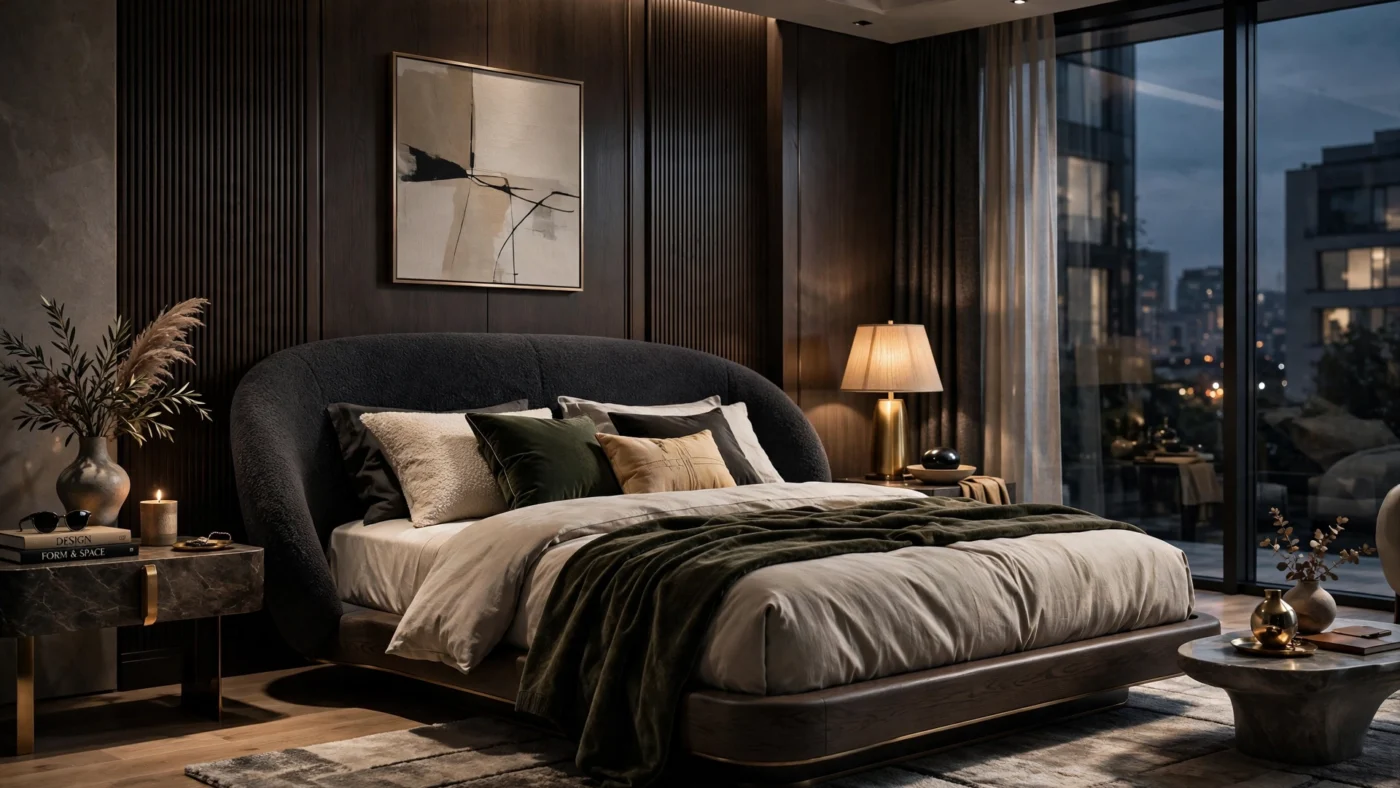
The modern primary bedroom has evolved into a private residential pavilion. It is a dedicated zone of quiet retreat where the tensions of the outside world dissolve in an atmosphere of tailored indulgence.
What defines great luxury bedroom design? It is the deliberate layering of comfort, acoustics, light, and beauty — every decision in service of deeper rest. This guide expands on the principles above with practical luxury bedroom design ideas for primary suites and guest rooms alike, at a range of budgets.
The Boutique Walk-in Dressing Suite
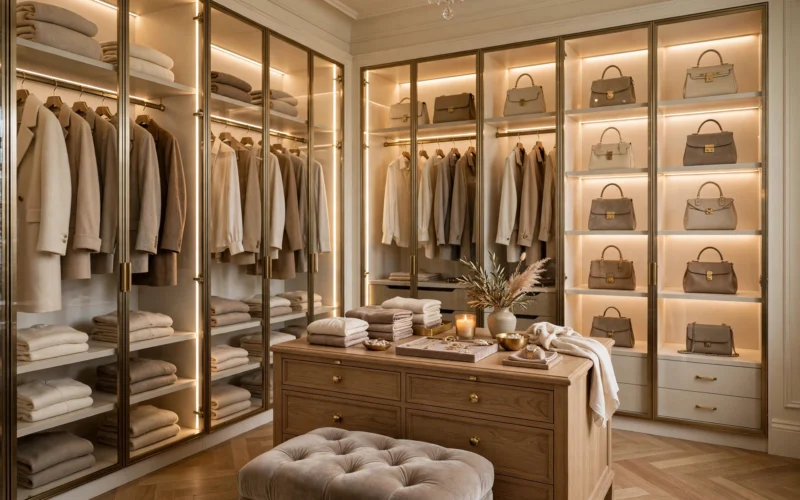
Elevate the traditional closet into a luxury boutique dressing room. Incorporate smoked glass display cabinetry, integrated LED shelf lighting, center jewelry islands topped with honed marble, and velvet-lined accessory drawers to transform getting dressed into an inspiring daily ritual.
Integrated Nightstand Technology
Banish phone chargers, cables, and alarm clocks from visible nightstand tops. Integrate pop-up wireless charging pads inside nightstand drawers alongside USB-C ports, keeping bedside tabletops clear for fresh water, a book, and an architectural lamp.
Soundproofing the Bedroom Envelope
Install solid core doors with acoustic drop seals and double-stud walls between the bedroom and living spaces to ensure complete acoustic peace.
Ensuite Bathroom Flow
Create a seamless threshold between the bedroom and primary ensuite with sliding fluted glass pocket doors or open architectural arches that allow natural light to filter through while maintaining privacy.
Layered Bedding: The Heart of Luxury Bedroom Design
Hotel beds feel extraordinary because of layering, not magic. Start with a breathable mattress topper, add crisp cotton or washed linen sheets, a lofty duvet that can be swapped seasonally, and a textured throw folded across the foot. In luxury bedroom design, pillows are functional sculpture: two sleeping pillows per person, two European shams against the headboard, and one or two decorative cushions — no more, or the bed becomes a chore to unmake each morning.
Thread count matters less than fiber and weave. Long-staple cotton in a percale weave sleeps cool and crisp; sateen feels silkier but warmer. Choose whichever suits your climate, and always buy the best you can afford — in luxury bedroom design, bedding is the highest-impact investment per dollar in the entire house.
Color Palettes That Promote Deep Sleep
Restful bedrooms live in the muted middle of the color spectrum: warm ivories, soft stone, sage, dusty blue, and mushroom. These tones lower visual noise and let the nervous system unwind. If you crave drama, concentrate deep color on one element — an upholstered headboard wall or full-height drapery — and keep everything else serene. For historical context on how this most personal of rooms evolved, see the bedroom article on Wikipedia.
Finish the palette with natural textures: a wool rug underfoot, linen drapery that filters morning light, and wood with a matte oil finish. Texture is what keeps a neutral bedroom from feeling flat — it gives the eye somewhere to rest.
Common Mistakes in Luxury Bedroom Design
- Harsh overhead lighting. A single bright ceiling light destroys evening calm. In luxury bedroom design, bedside lamps and dimmers are non-negotiable.
- Too many pillows. A mountain of cushions looks inviting in photos and exhausting in real life. Edit down to what you actually use.
- Ignoring the view from the bed. You spend hours looking at the wall opposite the bed — make it beautiful with art, an upholstered panel, or a considered vignette.
- Skimping on window treatments. Light leakage ruins sleep. Invest in true blackout lining behind decorative drapery, fitted precisely to the window.
- Cluttered nightstands. The last thing you see at night should be calm. Corral necessities on a tray or inside a drawer with charging built in.
The Finishing Layer: Scent, Sound, and Ritual
Luxury bedroom design engages senses beyond sight. A quiet room — aided by the acoustic measures above — lets you add a subtle layer of sound, whether a white-noise machine or simply heavy drapery that hushes the street. Scent matters too: a linen spray of lavender or cedar on pillows signals the nervous system that the day is done. Finally, build a small evening ritual into the room itself — a comfortable chair for reading, a carafe of water on the nightstand, lighting that dims to a warm glow. These details cost little yet deliver the profound sense of being cared for that defines true luxury bedroom design.
Frequently Asked Questions
How can I achieve luxury bedroom design on a budget?
Start with bedding and lighting — the two highest-impact, lowest-cost upgrades. Fresh white linens, bedside lamps with warm bulbs, and a decluttered nightstand transform any bedroom overnight. Add one dramatic touch, like full-height drapery or a painted headboard wall, for designer presence.
What colors make a bedroom feel luxurious?
Layered neutrals with depth: ivory, stone, warm gray, and soft bronze, anchored by one richer tone such as deep teal or oxblood in textiles. Metallic accents in aged brass or bronze add quiet glamour without visual noise.
How do I make a small bedroom feel luxurious?
Use the same luxury bedroom design principles at a smaller scale: one statement headboard, layered bedding, layered lighting, and a restrained palette. Mirrors and consistent flooring make compact rooms feel generous.
Should the ensuite match the bedroom?
It should relate, not match. Repeat one or two materials — the bedroom’s oak or brass, for instance — in the ensuite so the suite reads as one continuous, thoughtfully designed space.
Conclusion
A thoughtfully designed bedroom suite is an investment in daily vitality and peaceful restoration, honoring the sacred rhythm of rest.