How to Make Your Home Look More Expensive
Unlock the high-end interior designer secrets that impart immediate estate-level prestige without unnecessary architectural demolition.
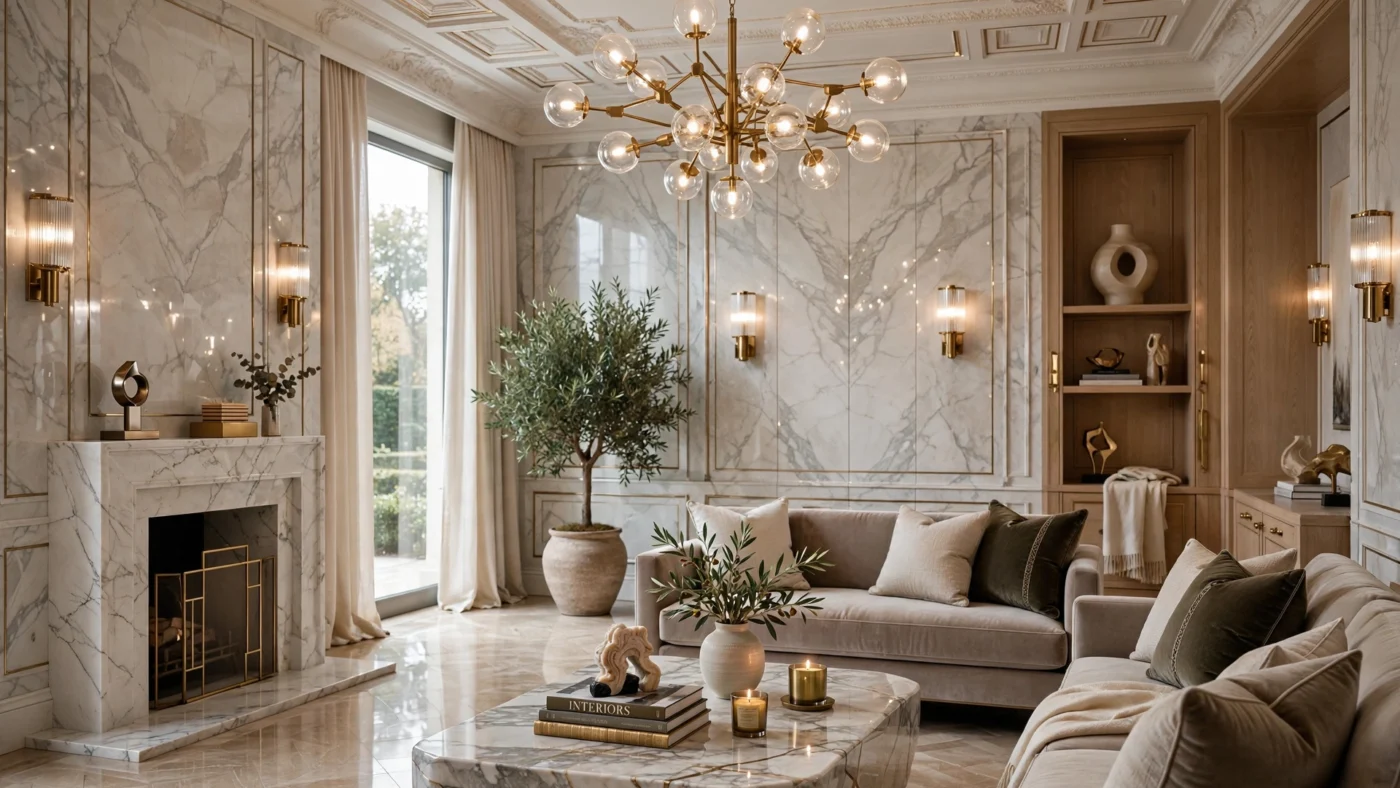
The distinction between a standard interior and one that exudes exceptional value often hinges upon subtle sensory cues that escape the untrained eye. Designers utilize a specific set of high-leverage modifications that instantly elevate perceived luxury.
Upgrading Switchgear and Electrical Plates
Few details cheapen a room faster than flimsy plastic switch plates. Replacing standard toggle covers with heavy cast-brass, forged iron, or screwless matte charcoal switches from luxury manufacturers like Forbes & Lomax or Buster + Punch produces an immediate tactile elevation every time you enter a room.
Eliminating Clutter from Visual Sightlines
Expensive homes are distinguished by their disciplined sightlines. Stand in your entryway and look through into adjacent rooms. Are cords, charging cables, mail stacks, or utilitarian items interrupting the vista? Concealing electronics in custom cabinetry, routing wires behind wall channels, and maintaining clean architectural axes immediately projects tranquility.
The Oversized Scale Secret
When in doubt, choose fewer items of substantially larger scale. A single 48-inch round stone mirror above a console makes an infinitely more powerful statement than three smaller framed prints.
Upgrading Architectural Paint Finishes
Standard builder flat paint can appear chalky and lifeless. Upgrading primary living walls to artisanal finishes such as mineral lime wash, Roman clay, or subtle micro-cement creates a dynamic surface that captures changing daylight with velvet-like nuance. For ceiling planes, a high-lacquer reflective enamel finish in formal dining rooms visually doubles vertical height and reflects chandelier sparkle.
Custom Framing with Generous Matting
Elevate any artwork or photography by utilizing professional custom archival framing with extra-wide (4 to 5 inch) acid-free museum white mats and anti-reflective museum glass. The generous white border commands focus and accords ordinary prints the visual gravity of a blue-chip gallery exhibition.
Conclusion
True luxury does not require ostentatious gold leaf or excessive ornament. It is achieved through intentional editing, substantial hardware, refined wall finishes, and serene visual sightlines.