How to Create a Sophisticated Neutral Interior
Mastering the neutral palette is the ultimate test of an interior designer. Discover how to layer subtle shades of ivory, sand, and stone with rich tactile depth.
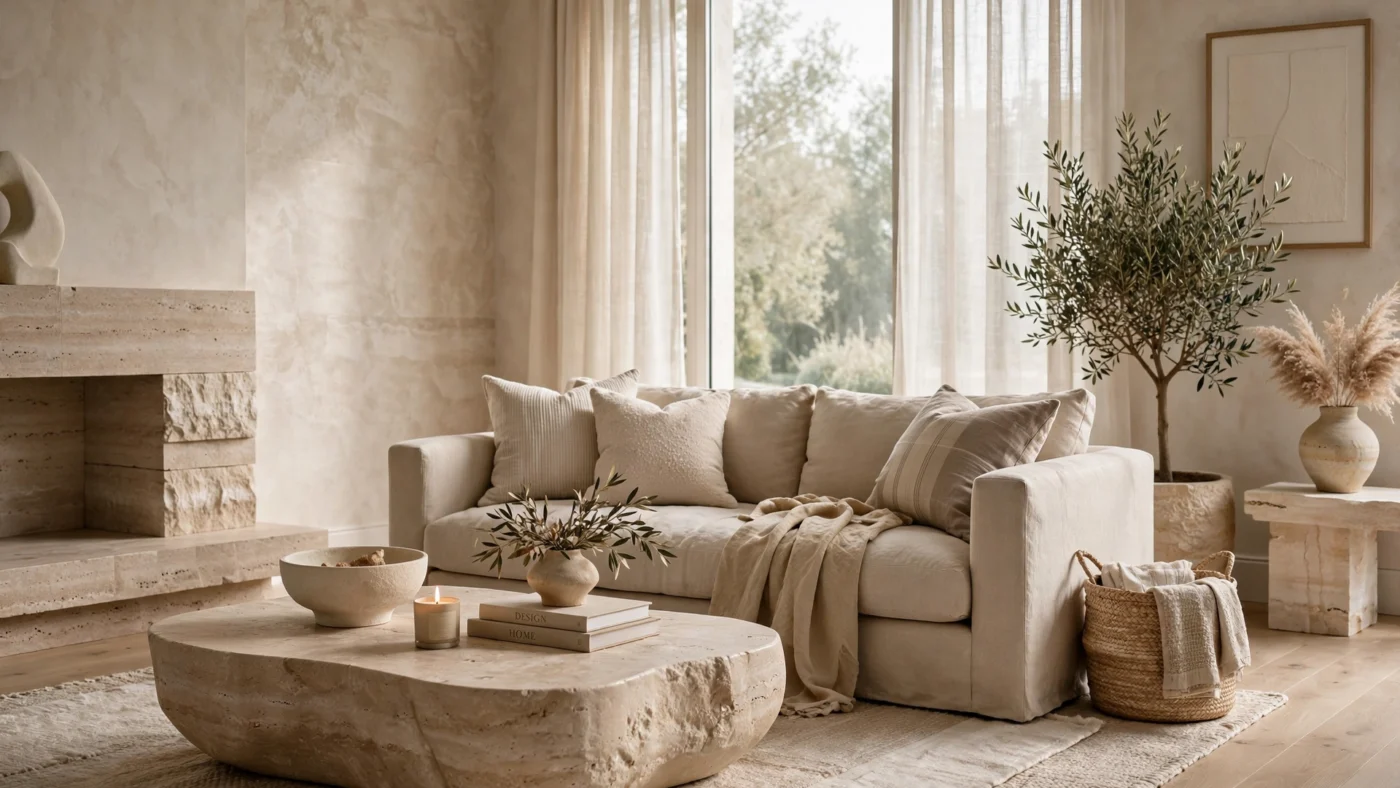
A sophisticated neutral interior is the epitome of quiet luxury. Far from being sterile or monotone, a well-executed neutral scheme is a layered symphony of subtle tones, tactile organic textures, and dynamic interplay with natural light.
Decoding Undertones: Warm Ivory vs. Cool Greige
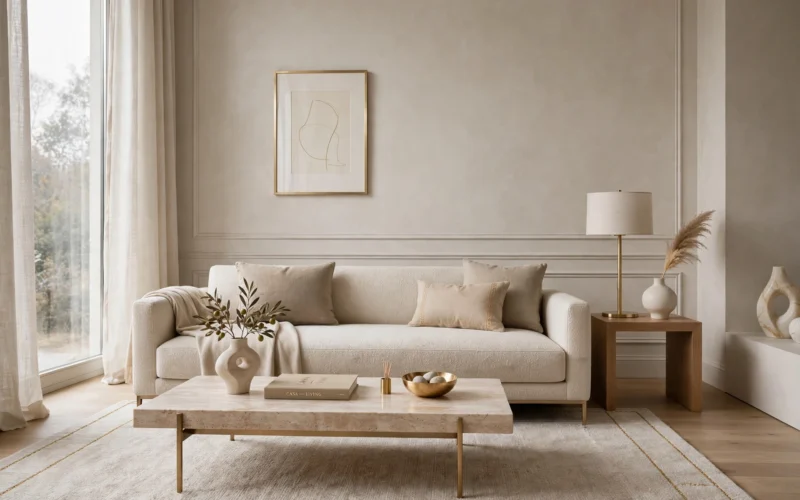
The secret to avoiding a lifeless neutral room lies in understanding undertones. Sterile stark whites reflect daylight harshly, whereas warm ivory, bone, pale parchment, and creamy travertine contain minute traces of yellow, ochre, and umber that soften daylight into a comforting embrace.
When selecting architectural paints, test large brush-out boards against both morning eastern sunlight and warm afternoon western rays. Pair subtle wall washes (such as Roman clay or lime wash) with slightly deeper trim finishes to introduce gentle architectural definition without breaking chromatic harmony.
Texture as the Primary Accent
When saturated pigments are omitted, texture must perform the work of color. A flat-weave wool rug paired with a slick lacquered cocktail table and a nubby bouclé daybed creates a stimulating tactile dialog. The brain registers these textural shifts as varied visual weight, preventing the room from reading as flat.
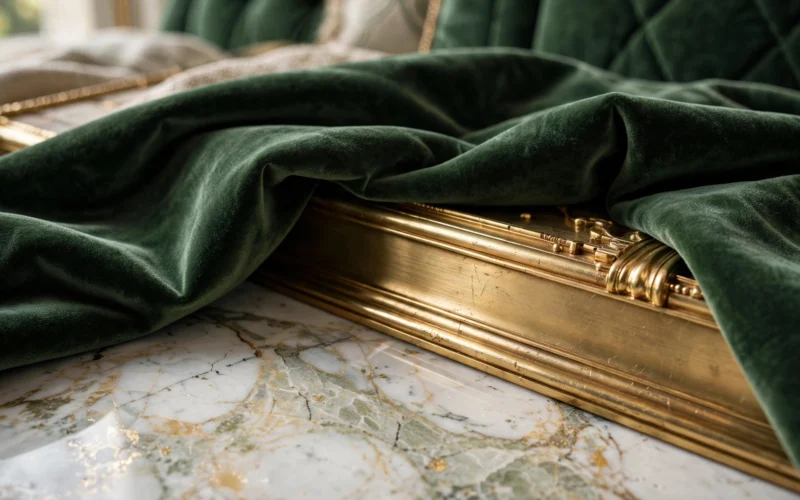
- Textile Layering: Combine heavy slubbed Belgian linen drapery, sheared shearling accent pillows, and unspun merino wool throws.
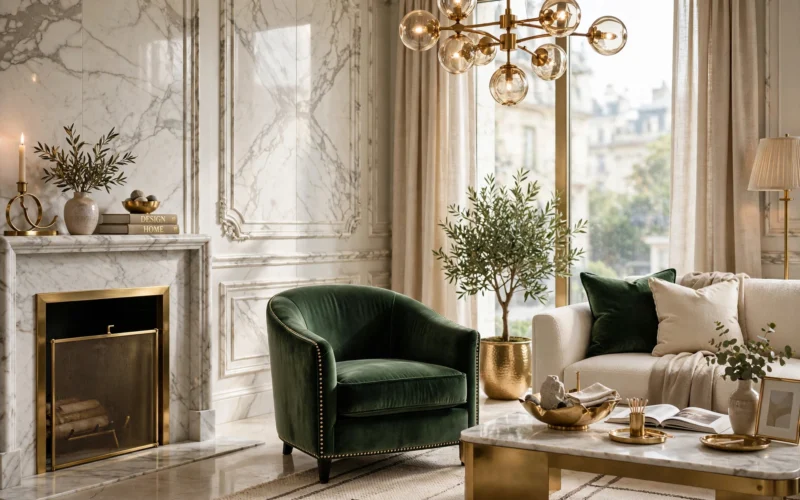
- Hard Surfaces: Contrast honed matte limestone flooring with wire-brushed cerused oak millwork and patinated bronze fixtures.
The 10% Contrast Accent Rule
Every neutral sanctuary requires approximately 10% grounding contrast—often termed the ‘black anchor.’ A blackened steel window frame, charcoal bronze side table, or dark walnut bookshelf provides visual ballast that prevents neutral tones from floating away.
Botanicals and Living Organic Elements
In a monochromatic home, nature becomes the most potent decorative flourish. A single sculptural olive tree in an aged Tuscan terra-cotta vessel or an architectural arrangement of dried Japanese magnolia branches brings organic silhouette and life into a neutral space without disrupting the serene palette.
Conclusion
Designing with neutrals requires confidence, patience, and meticulous material curation. When executed with precision, the result is a timeless, restorative sanctuary that offers respite from the sensory overload of modern urban life.