How to Combine Comfort and Luxury at Home
Luxury should never feel museum-sterile. Discover how to create an opulent living environment that welcomes relaxation and joyful everyday living.
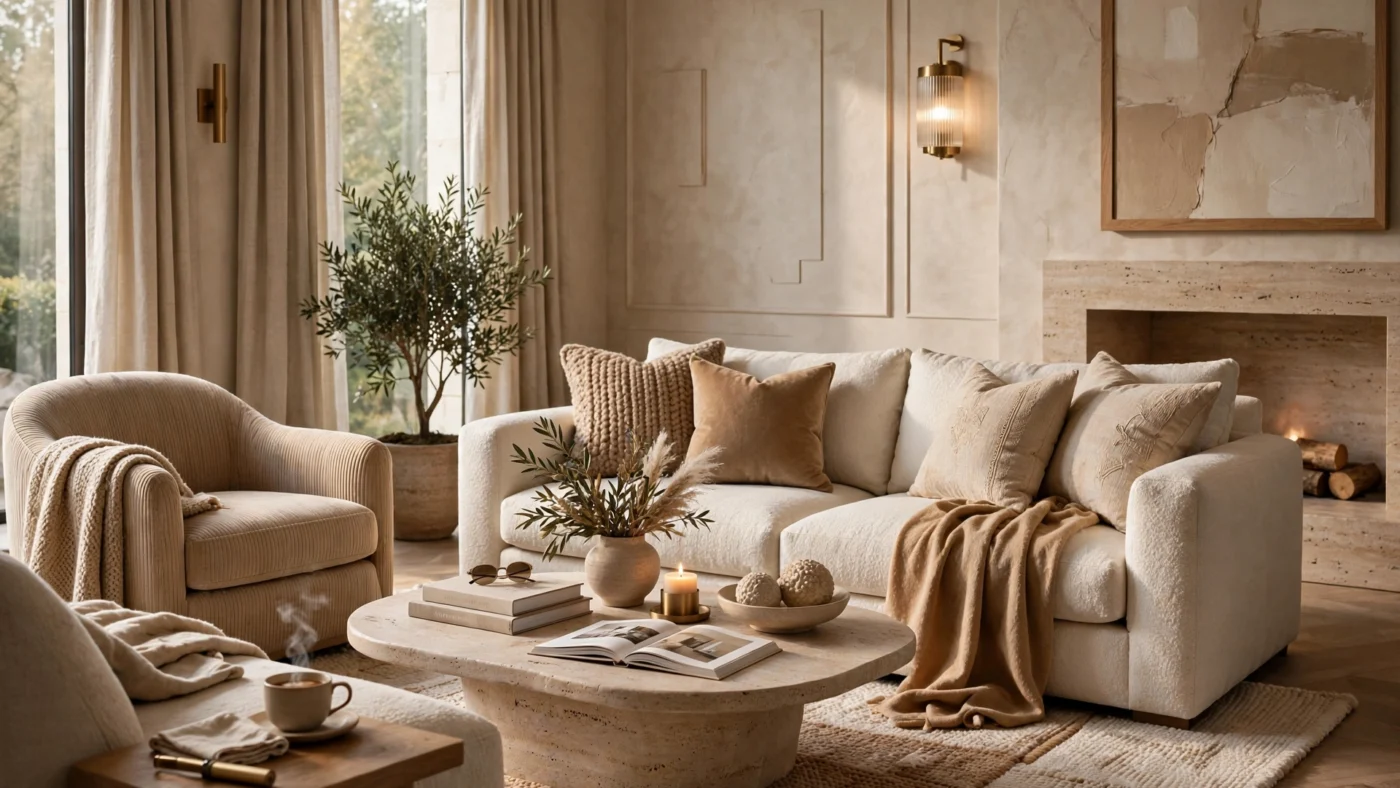
The greatest failure in residential design is creating an interior that is visually stunning but physically uninviting. True luxury must never demand stiff posture or constant fear of damaging delicate surfaces; it must envelop you in profound, restorative comfort.
But how do you actually achieve comfort and luxury at home without sacrificing one for the other? The secret lies in choosing materials, furniture, and layouts that serve both masters at once — a balance explored in the study of comfort on Wikipedia. This guide shows you how to design for comfort and luxury at home, room by room and decision by decision.
Performance Luxury Textiles
Gone are the days when white furniture was off-limits for active families. Advances in high-end performance textiles (such as Perennials, Holly Hunt, and Kravet) offer the soft, slubby hand of pure Belgian linen or bouclé while resisting wine stains, UV fading, and daily wear. You can enjoy an ivory aesthetic without everyday anxiety.
Deep, Generous Seating Ergonomics
Ensure primary lounging seating has a depth of at least 42 to 44 inches with a core of high-density foam wrapped in a 70/30 blend of down and feathers. This provides supportive structure while allowing you to sink gently into the cushion for an afternoon nap or movie screening.
Tactile Flooring Comfort
Integrate radiant hydronic in-floor heating beneath all natural stone and tile floors. Stepping out of bed onto warm limestone in mid-winter is one of life’s most exquisite domestic luxuries.
Kid and Pet-Friendly Materiality
Embrace materials that wear marks of life as character rather than damage. Honed limestone with subtle fossilization, hand-scraped European oak with a matte oil finish, and saddle leather will look better in ten years after daily family use than the day they were delivered.
Designing Bedrooms for Comfort and Luxury at Home
A bedroom designed for comfort and luxury at home starts with the bed — and the mattress matters more than the frame. Invest in the best mattress your budget allows, then dress it in layers: a breathable wool or latex topper, high-thread-count cotton or linen sheets, a mid-weight duvet, and a textured throw folded at the foot. Layering lets sleepers regulate temperature through the night, which is the true foundation of bedroom comfort.
Lighting makes or breaks the mood. Combine blackout drapery for darkness with bedside sconces or lamps at a warm 2700K for reading, plus a dimmer on any overhead fixture. Keep technology minimal — a bedroom that whispers rather than buzzes is what makes comfort and luxury at home feel effortless rather than staged.
The Art of the Welcoming Entry
The entry sets the tone for comfort and luxury at home. It should offer three things: a place to land (a console or bench), a moment of beauty (art, a mirror, or fresh stems), and warm light at human height rather than a harsh overhead glare. A vintage rug underfoot, a candle or diffuser with a signature scent, and a comfortable perch for removing shoes tell guests — and remind you daily — that this house is meant to be enjoyed, not just admired.
Common Mistakes When Balancing Comfort and Luxury at Home
- Choosing style over sit-ability. A sculptural chair nobody can sit in for more than ten minutes undermines comfort and luxury at home. Test every seat before committing.
- Forbidding real life. Slipcovers, washable rugs, and performance fabrics exist precisely so luxury can survive children, pets, and dinner parties. A home you are afraid to use is not luxurious.
- Ignoring acoustics. Hard, echoing rooms feel cold no matter how beautiful. Layer textiles, lined drapery, and upholstered pieces to keep sound soft and conversation easy.
- One-temperature-fits-all. True comfort is personal. Provide throws, adjustable lighting, and zoned heating or cooling so each person can tune their own environment.
- Over-styling surfaces. A coffee table crowded with untouchable objects signals a showroom, not a home. Leave room for a book, a cup of tea, and real life.
Frequently Asked Questions
How do I balance comfort and luxury at home on a budget?
Prioritize what touches your body: bedding, seating, and flooring. A modest room with a superb sofa, soft rug, and warm lighting feels more luxurious than an expensive room with uncomfortable furniture. Add luxury cues — fresh flowers, a signature scent, beautiful coffee-table books — for very little money.
Can comfort and luxury at home survive kids and pets?
Absolutely — that is what performance textiles, washable rugs, and forgiving materials like leather and honed stone are for. Design for real life from the start, and the house will look better in five years than a precious, high-maintenance one.
What colors feel both comfortable and luxurious?
Warm, enveloping neutrals: ivory, camel, oatmeal, soft bronze, and deep warm grays. These tones feel like an embrace. Add depth with one rich accent — forest green, oxblood, or ink navy — in textiles and art.
How important is lighting to comfort?
Enormously. Harsh overhead light is the fastest way to make a beautiful room feel unwelcoming. Layer lamps at multiple heights, use warm bulbs, and put everything on dimmers so the mood can shift from bright mornings to intimate evenings.
Conclusion
When comfort and luxury are aligned, a home becomes a true sanctuary—a place of beauty that embraces and celebrates real life.